If you’re planning a new driveway, car park, or road project in New Zealand, hot mix asphalt (HMA) is often the go-to solution. It’s durable, cost-effective, and provides a smooth, professional finish that lasts for years. But before you sign any contracts, it’s important to understand how much hot mix asphalt in NZactually costs, what factors affect pricing, and how to budget realistically for your project.
What is Hot Mix Asphalt?
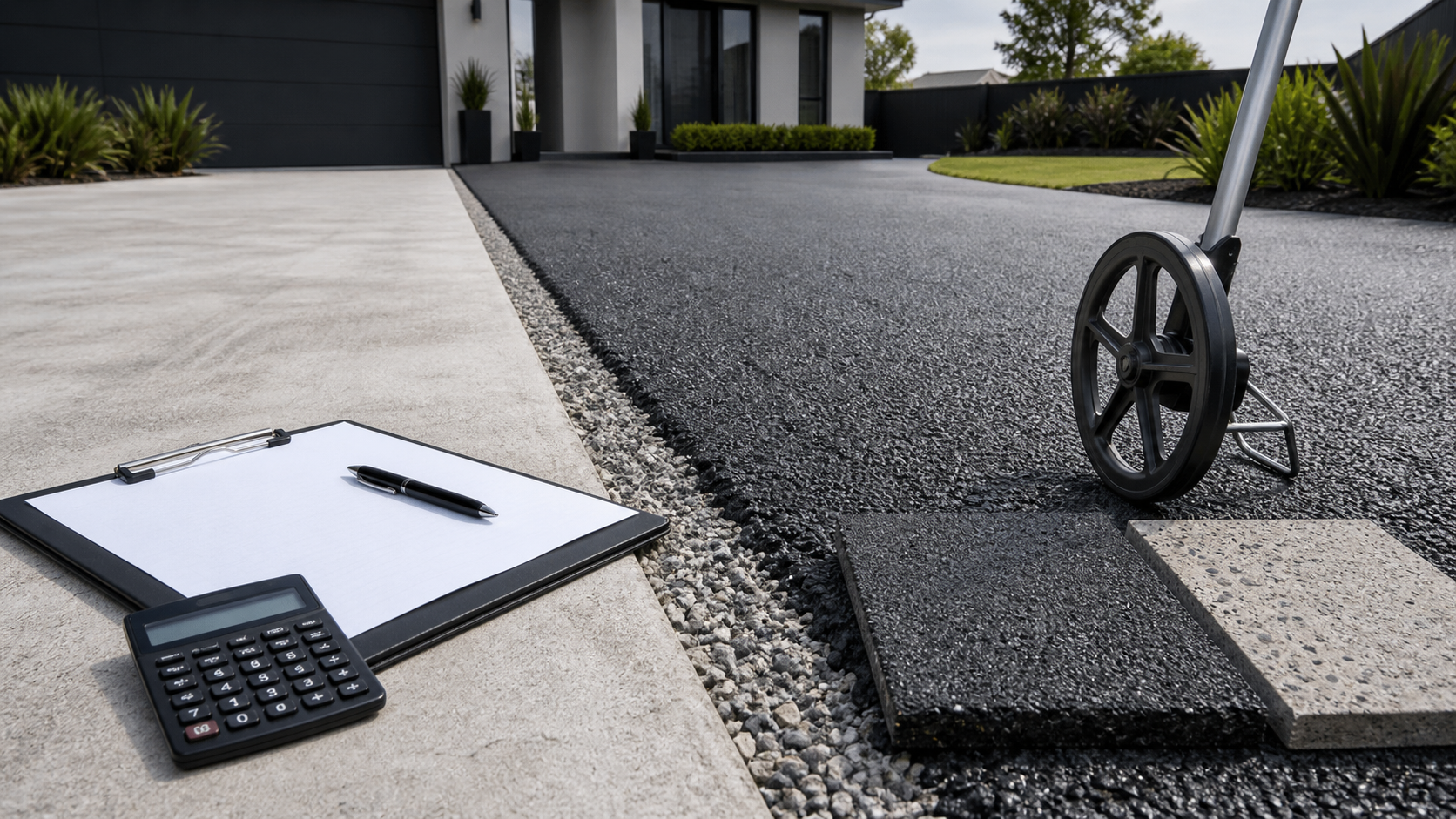
Hot mix asphalt is a mixture of bitumen and aggregates (like crushed stone or gravel) that’s heated and combined to create a flexible, durable paving material. Unlike cold asphalt, HMA is applied while hot, which ensures better compaction and a smoother, longer-lasting surface.
It’s widely used in New Zealand for residential driveways, commercial car parks, private roads, and public road construction. Its popularity comes from its ability to withstand heavy traffic, resist cracking, and offer a low-maintenance surface over many years.
Key Factors That Affect HMA Costs
Before budgeting for asphalt, it’s essential to understand that the cost isn’t fixed. Several factors influence the total price:
Project Size – The larger the area, the higher the total cost, although bulk projects sometimes reduce the price per square metre.
Depth of Asphalt Layer – Driveways and footpaths typically require 50–75mm, while roads or commercial areas may need 100–150mm. Thicker layers increase both material and labour costs.
Type of Asphalt Mix – Standard mixes are cheaper, while specialty mixes (like polymer-modified or coloured asphalt) cost more.
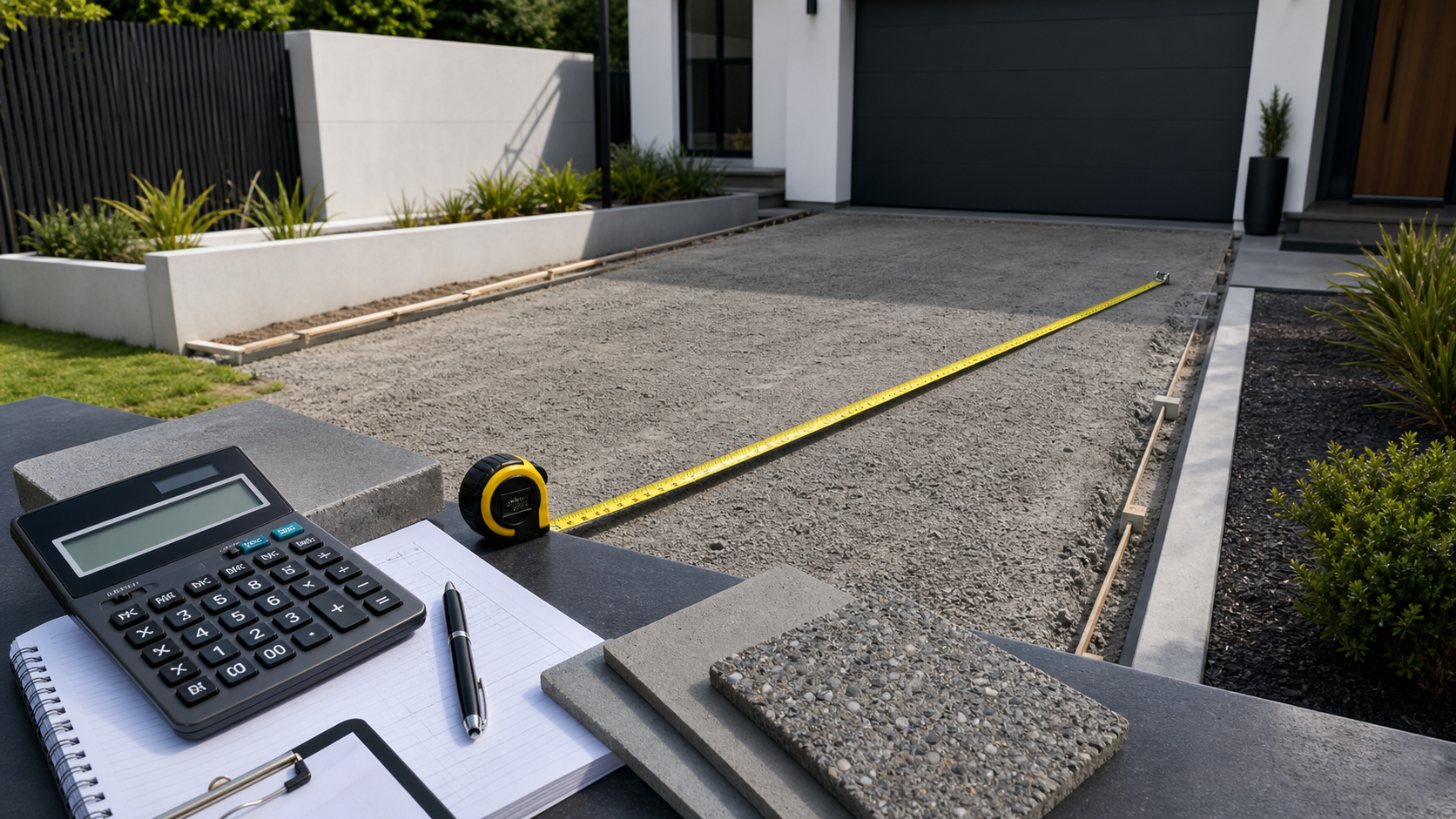
Site Preparation – Excavation, grading, and base preparation can add significantly to your budget. Poorly prepared sites may lead to premature failure, making this step essential.